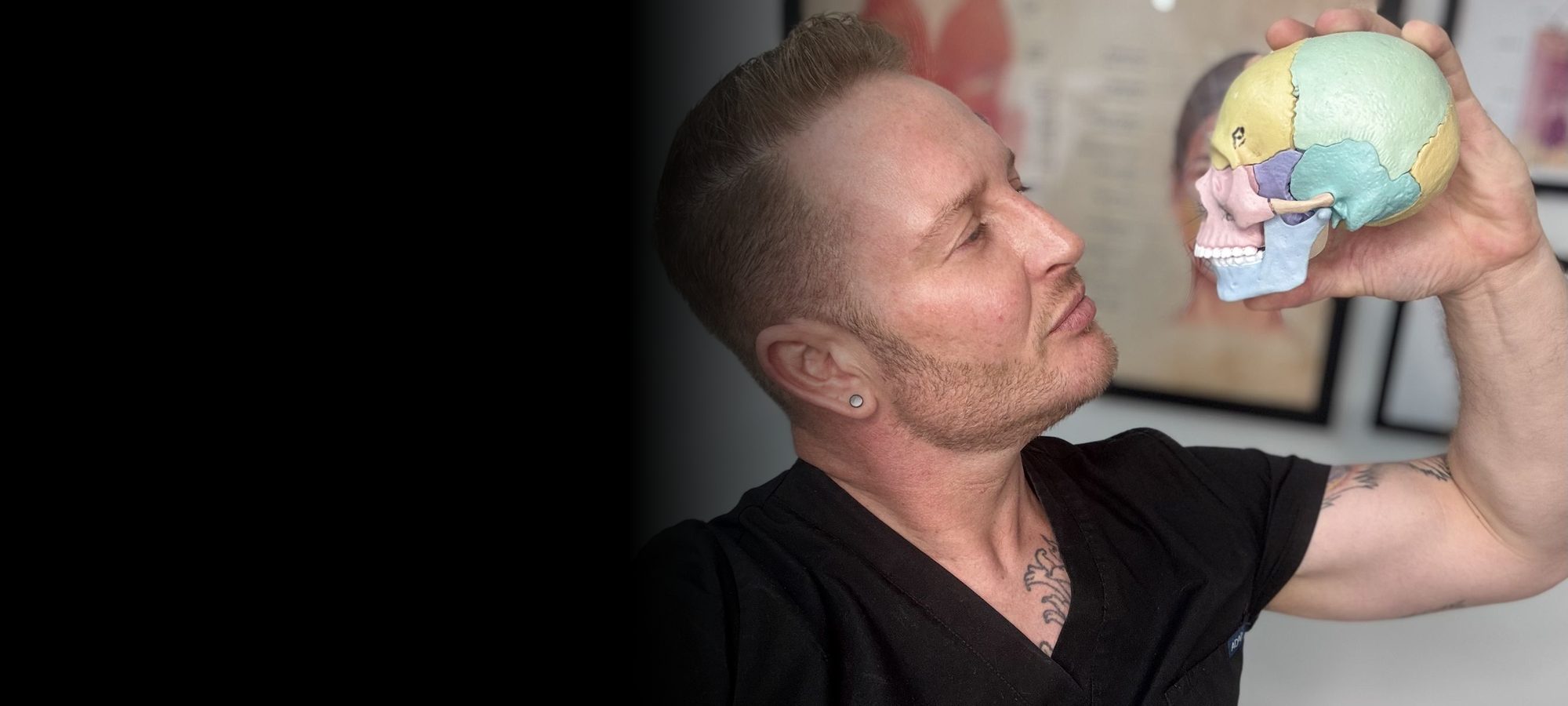
Facial Harmonisation
John Dixon's speciality. A whole-face plan that brings your features into balance and proportion, for a natural, refreshed result that still looks like you.
John’s speciality
What is facial harmonisation?
Facial harmonisation is about how your features work together. Instead of treating one area on its own, John looks at the whole face: the balance between the upper, middle and lower thirds, the line of the cheeks, chin and jaw, the lips in relation to the nose and chin, and how all of it looks in profile.
From that assessment comes a plan that adjusts several areas by small, considered amounts. The result is a face that looks rested, defined and in proportion, rather than one that has obviously had something done.
Facial balancing and harmonisation is John’s speciality, and the reason most clients now come to Trusted Touch Aesthetics. It is how he approaches every face, whether you come in for one area or for a full plan.
Asymmetry
Most faces aren’t symmetrical
It is very hard to see your own asymmetry. You look at yourself in the mirror every day, so a slightly flatter cheek, a lower brow or a jaw that sits differently on one side simply looks normal to you. In photos, though, it is often what makes a face look tired or not quite right.
Balancing is not always about treating both sides equally. Sometimes only one side needs support, using a mix of dermal filler and anti-wrinkle injections to bring it in line with the other. Sometimes the answer is somewhere else entirely, such as giving the chin a little more projection so the profile, jaw and lips sit in proportion.
What John considers
- Symmetry between the left and right sides
- Chin projection and the profile
- Bone structure and volume loss
- Muscle strength and movement
- The balance of the upper, middle and lower thirds
- How the lips, nose and chin sit together
Why harmony matters
Your face is seen as a whole
We read faces at a glance, not feature by feature. Lips, cheeks, chin and jawline are judged against each other, so a change in one area can make another look out of place. Harmonisation plans them together.
Natural results, not a new face
The aim is that you look like yourself on a good day: rested, defined and in proportion. Small, well-placed adjustments across several areas usually look more natural than a large amount in one.
Often less product overall
Supporting the right foundations, such as the cheeks, chin or temples, can lift and soften other areas indirectly. Treating the cause rather than each symptom often means less filler, not more.
It follows how faces change
With age the face loses volume and support in a predictable pattern: temples, cheeks, jawline. A whole-face plan replaces what has changed instead of chasing single lines.
How it works
- 1
Consultation and facial assessment
John looks at your face from the front and in profile: the balance of the upper, middle and lower thirds, symmetry between the two sides, the chin and jaw in profile, and how your face moves. You talk through what bothers you and what you want to keep.
- 2
Your photo and breakdown
John photographs your face and marks the proposed areas on it, then gives you a full breakdown of the plan and its cost. You take both away and decide in your own time.
- 3
Treatment
Each area is treated with the right tool for it: dermal filler for structure and volume, anti-wrinkle injections to soften movement, and skin boosters, threads or collagen stimulators where the skin itself needs help.
- 4
Review
A review about two weeks later checks the result as a whole and fine-tunes anything that needs it.
Areas a plan may include
Before you decide anything
Your consultation
A full, unhurried consultation
John assesses your face and explains everything in detail: what he sees, why it matters and what would genuinely make a difference, as well as what would not.
Your photo, marked up
John takes a photo of your face and marks the proposed treatment areas on it, so you can see exactly what is suggested and where.
A full breakdown to take away
You leave with the plan, the areas, the amounts and the cost, so you can go away and think it over before making any decision whatsoever.
No pressure, and no obligation to book on the day.
Better value
Packages, not piecemeal
Because harmonisation treats several areas in one plan, John works in packages. A package works out much cheaper than booking small areas one at a time, and your breakdown shows exactly what is included.
See all pricesDermal filler packages
- 1ml£190
- 2ml£290
- 3ml£390
- 4ml£490
- 5ml£590
- 6ml£690
- 7ml£790
Lips, chin, jaw, cheek, nasolabial lines only. Anti-wrinkle injections and other treatments in your plan are included in your breakdown.
Results
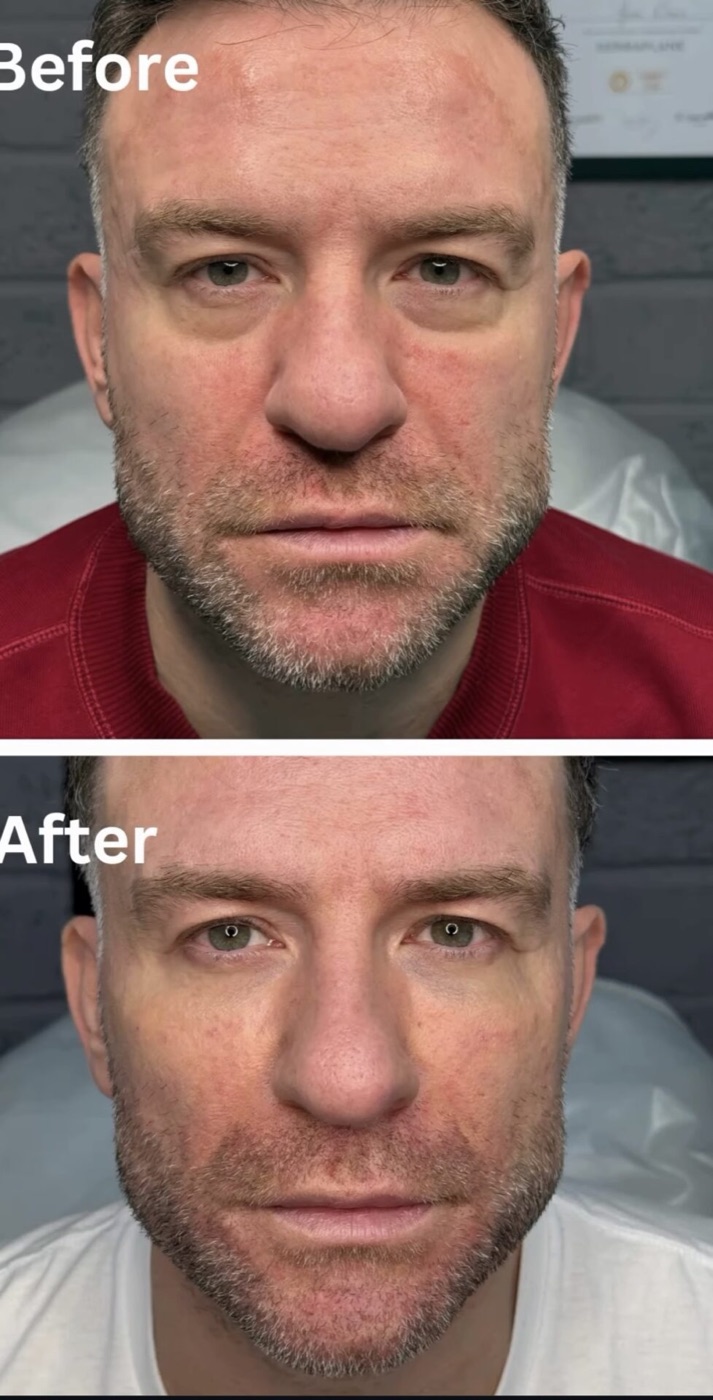
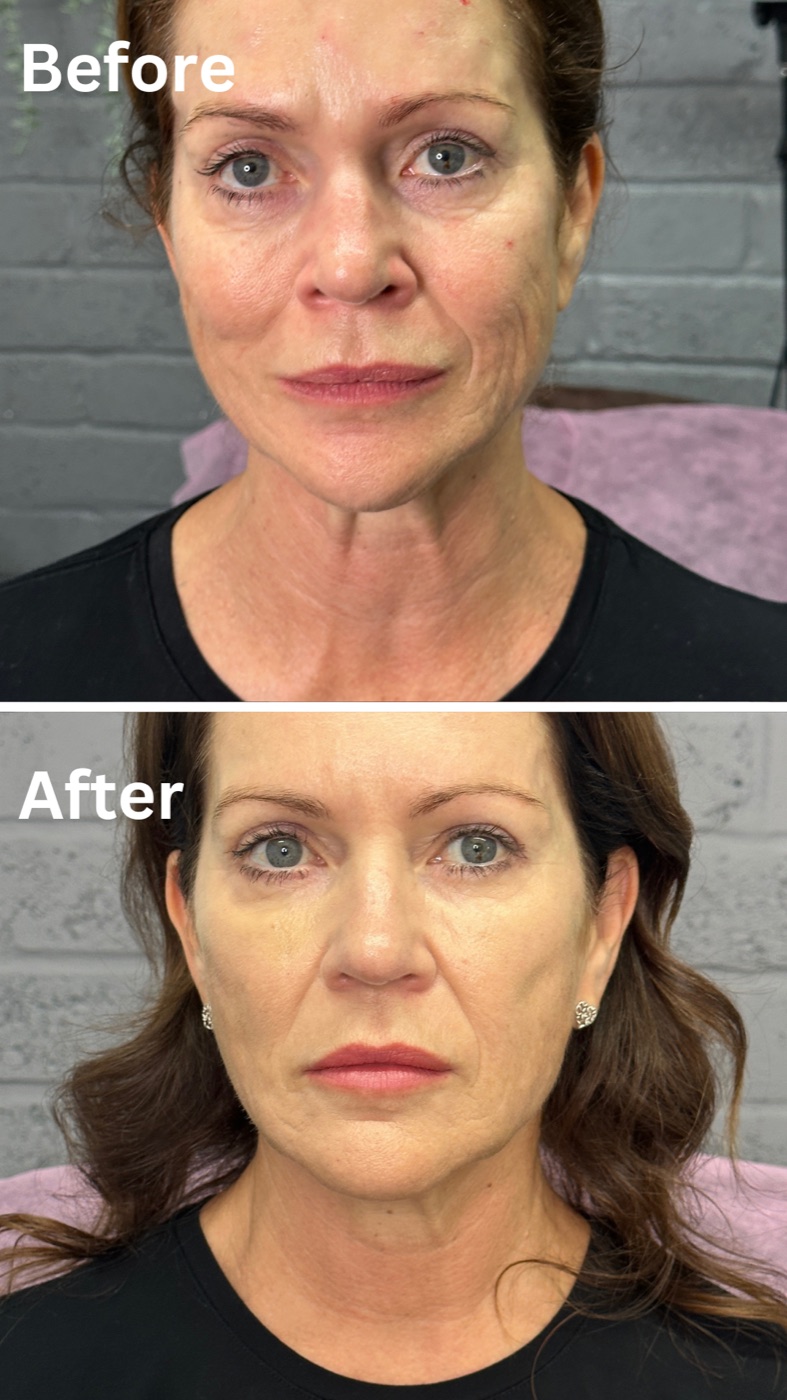
Genuine clients, full face, before and after
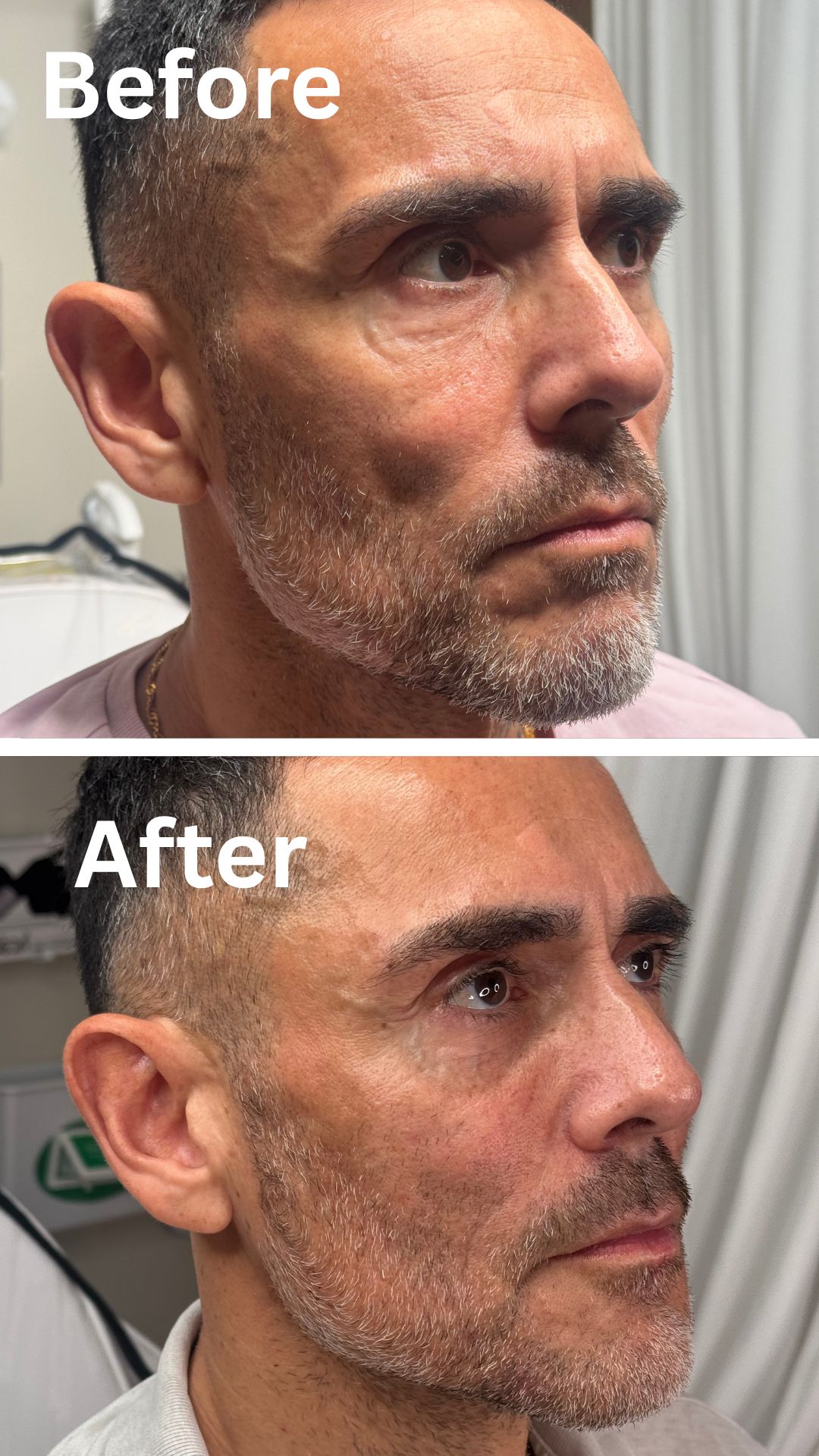
Male facial harmonisation
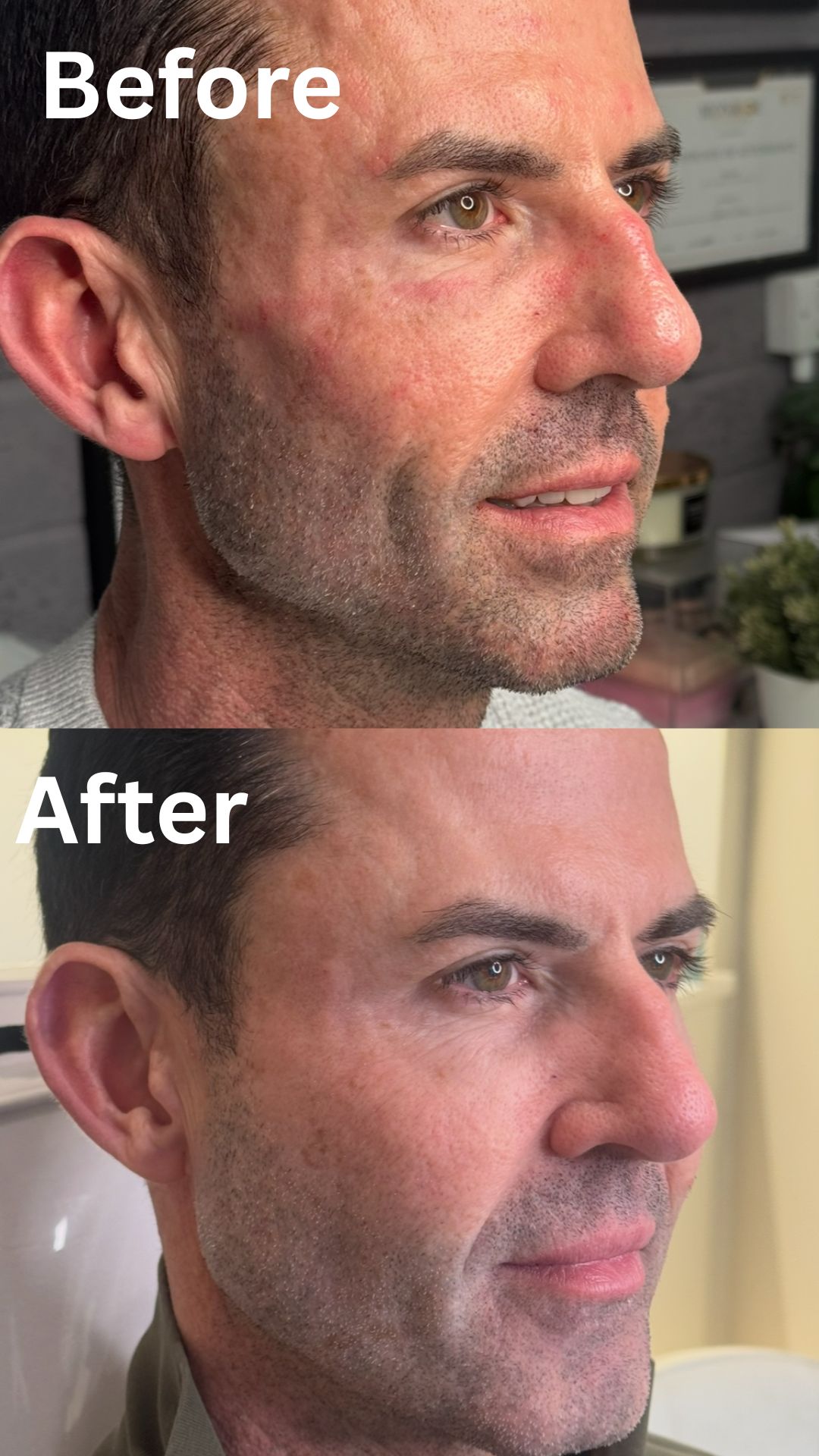
A sharper, balanced male profile
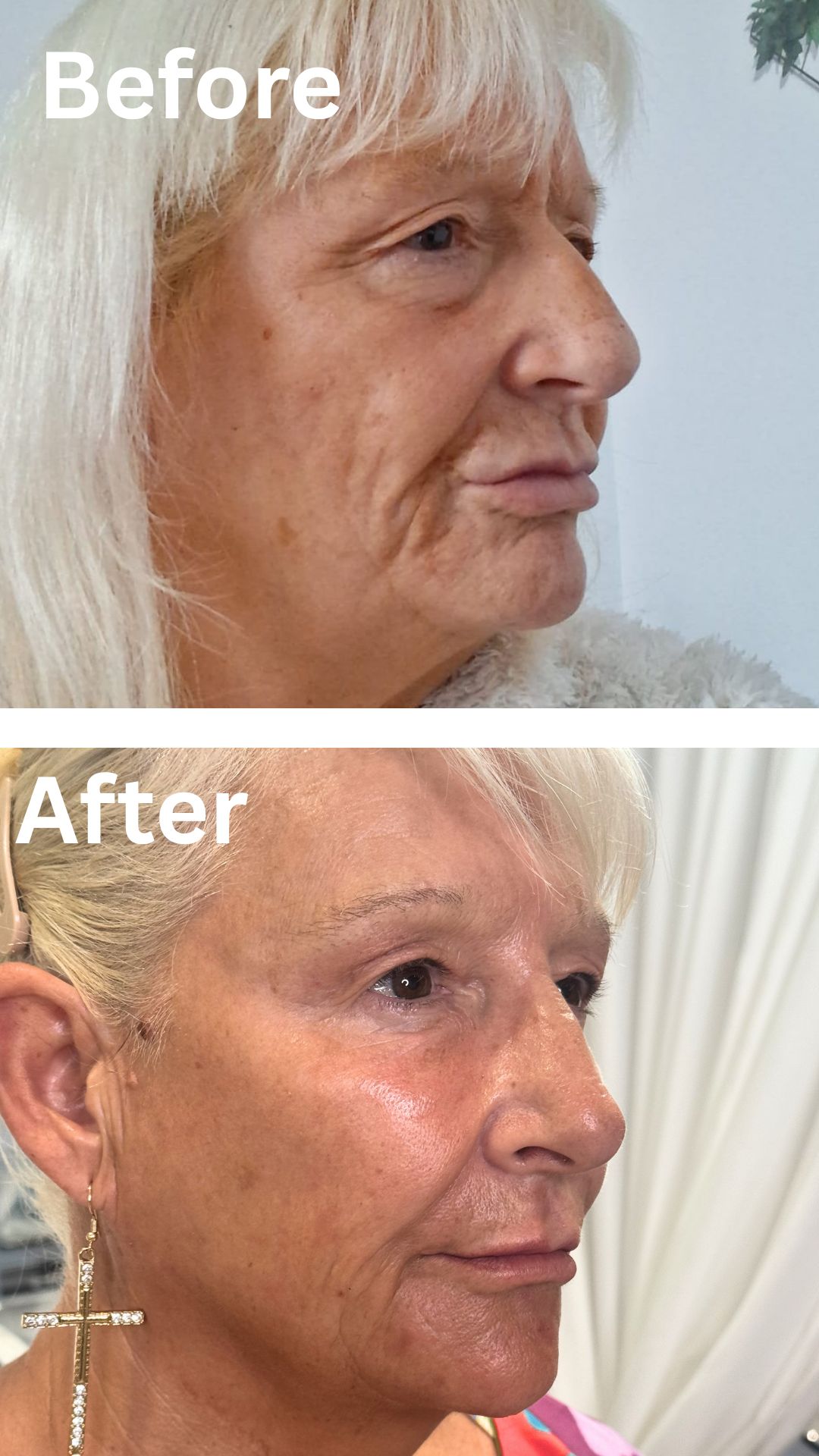
Restoring support across a mature face
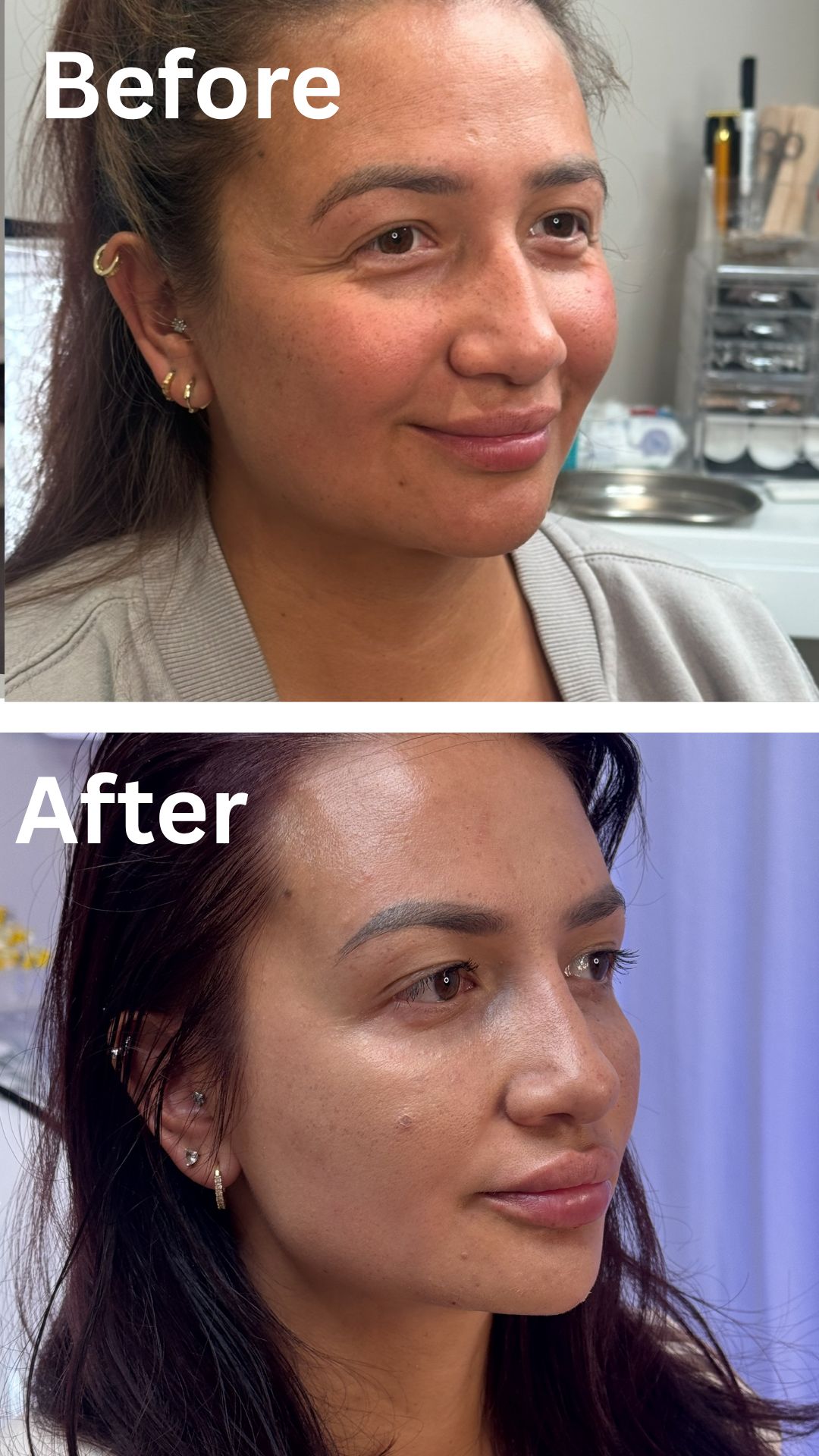
Midface and jawline in harmony
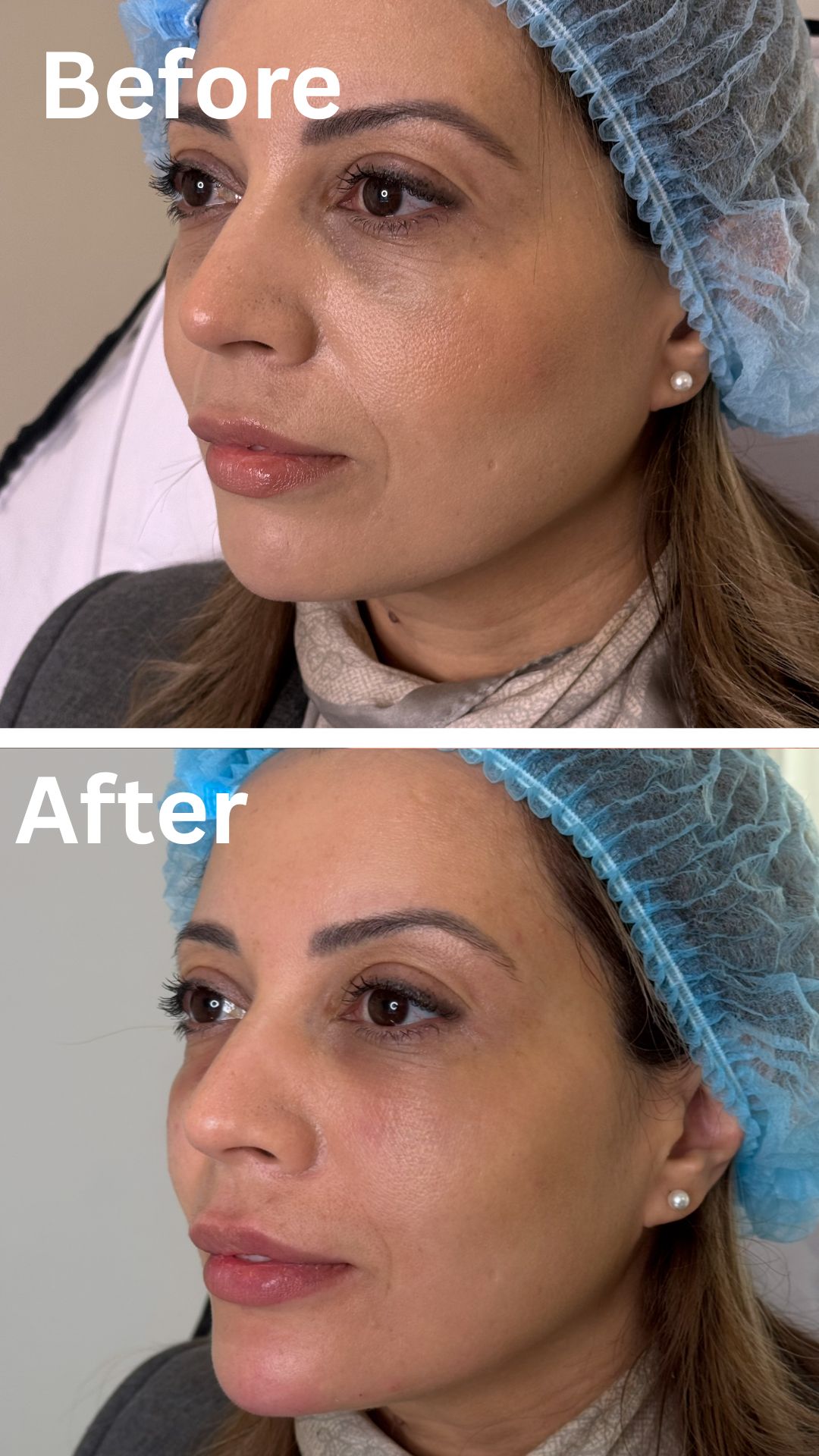
A refreshed, balanced midface
Whole-face balancing
Mid and lower face in proportion
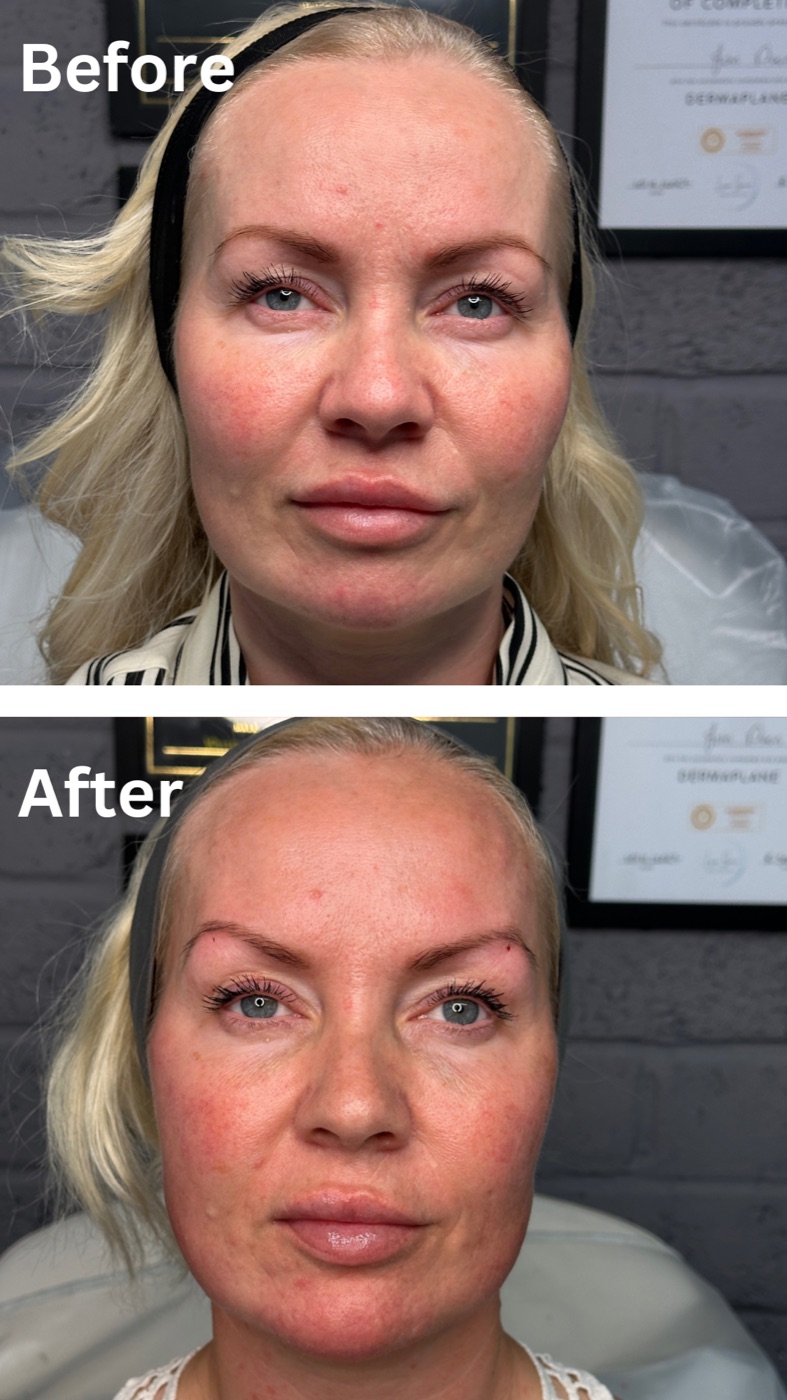
Full-face rejuvenation
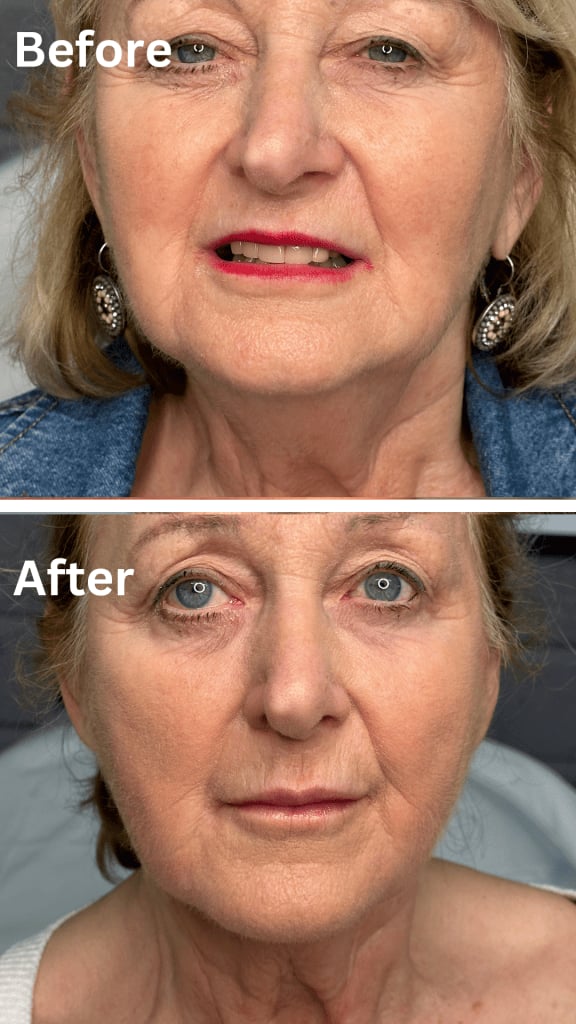
Threads lifting the mid and lower face
Results vary from person to person. Every treatment starts with a consultation.
Watch
Questions
What is facial harmonisation?
It is a way of planning treatment around the whole face rather than one feature. John assesses the proportions of your face and treats a combination of areas, often with dermal filler alongside other treatments, so the result looks balanced and natural.
Is my face asymmetric?
Almost everyone's is, and it is very hard to see in yourself. John will show you on your own photo where the two sides differ and whether it is worth treating. Sometimes only one side needs balancing, with a mix of dermal filler and anti-wrinkle injections.
What do I get from the consultation?
A full assessment and explanation, a photo of your face marked up with the proposed areas, and a full breakdown of the plan and cost to take away. There is no obligation to book on the day.
Is it the same as facial balancing?
Yes. Facial harmonisation and facial balancing describe the same approach: looking at the face as a whole and adjusting several areas so they work together.
Will I look different?
You should look like a refreshed version of yourself. Plans are built around your own features, and changes are made gradually so you stay in control of how far to go.
How many appointments will I need?
It depends on your plan. Some people need one appointment; others prefer a few sessions spaced over several weeks. John will explain the order and timing at your consultation.
How long do results last?
It depends on the treatments used and on you. Dermal fillers typically last around 6 to 18 months depending on the area, and anti-wrinkle injections around 3 to 4 months. Your plan will include what to expect for each part.
Does it hurt?
Most fillers contain a local anaesthetic and numbing cream can be used, so most people find treatment very manageable. Some swelling, tenderness or bruising for a few days is common.
How much does it cost?
Most harmonisation plans are priced as a package, which works out much cheaper than treating small areas one at a time. Dermal filler packages run from £190 for 1ml to £790 for 7ml. Your consultation breakdown shows the full cost before you decide anything.
Start with a consultation
Every plan begins with a face-to-face assessment with John. You will leave with a clear plan and a price, with no obligation to go ahead.