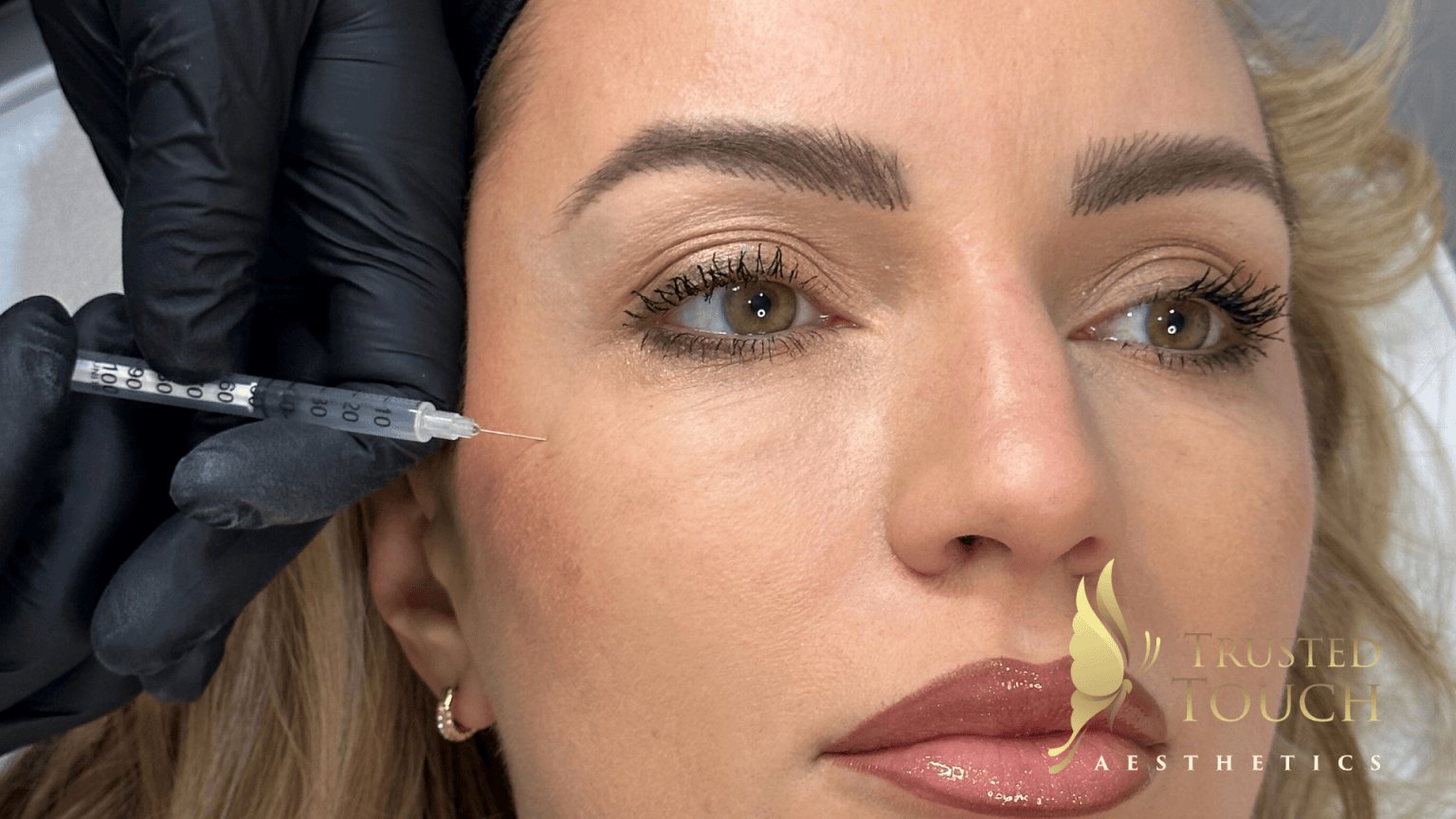
Dermal Fillers treatment
Cheeks
Restore cheek volume and projection for a more balanced facial contour.
- Treatment time
- Around 30–45 minutes
- Results
- Visible immediately; settles over 2 weeks
- Longevity
- Typically 12–18 months
- Downtime
- Minimal — a day or two of swelling
About Cheeks
The cheeks are the structural centre of the face. As the fat pads and bone here lose volume with age, the mid-face flattens, hollows appear under the cheekbone and the skin above the smile lines starts to drift downwards. Cheek enhancement replaces that support with hyaluronic acid filler, placed on or just beneath the cheekbone.
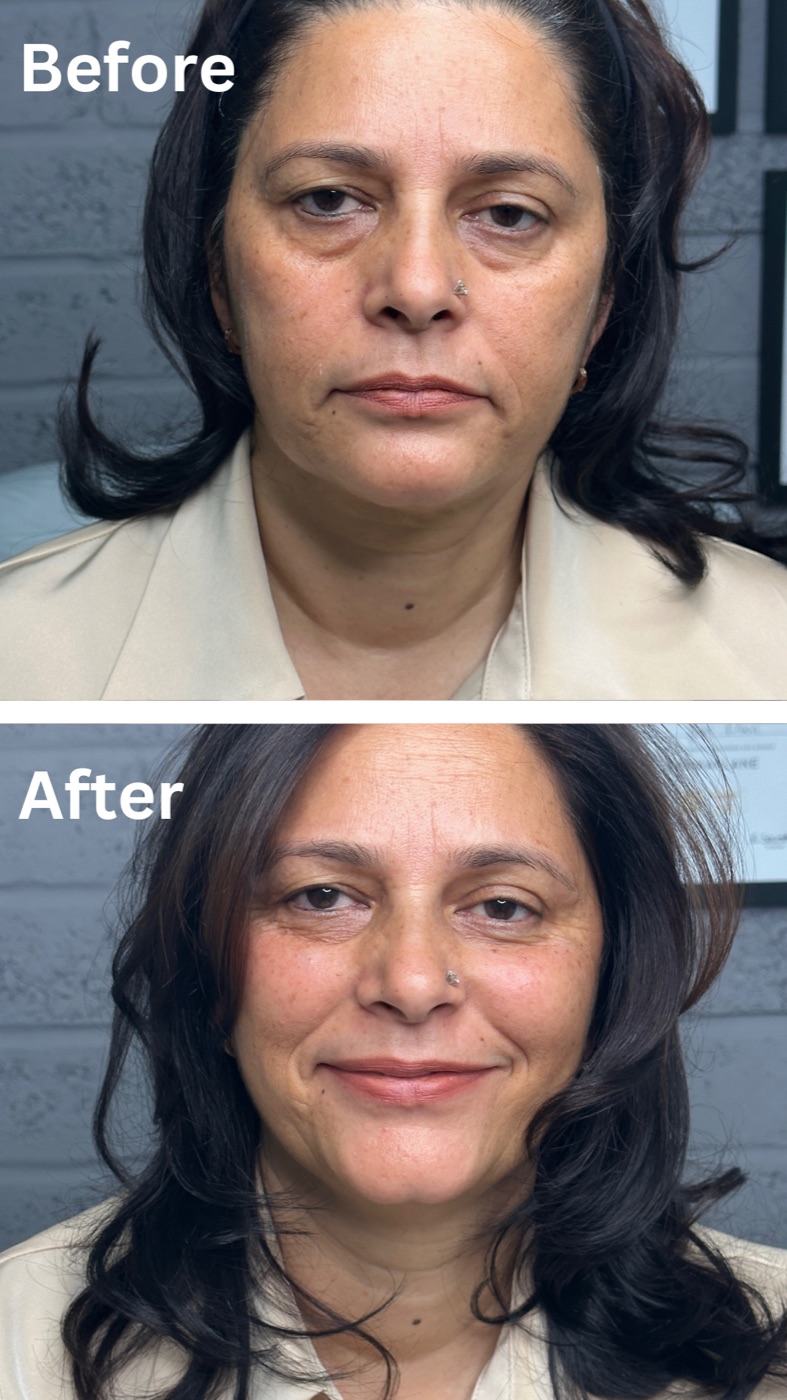
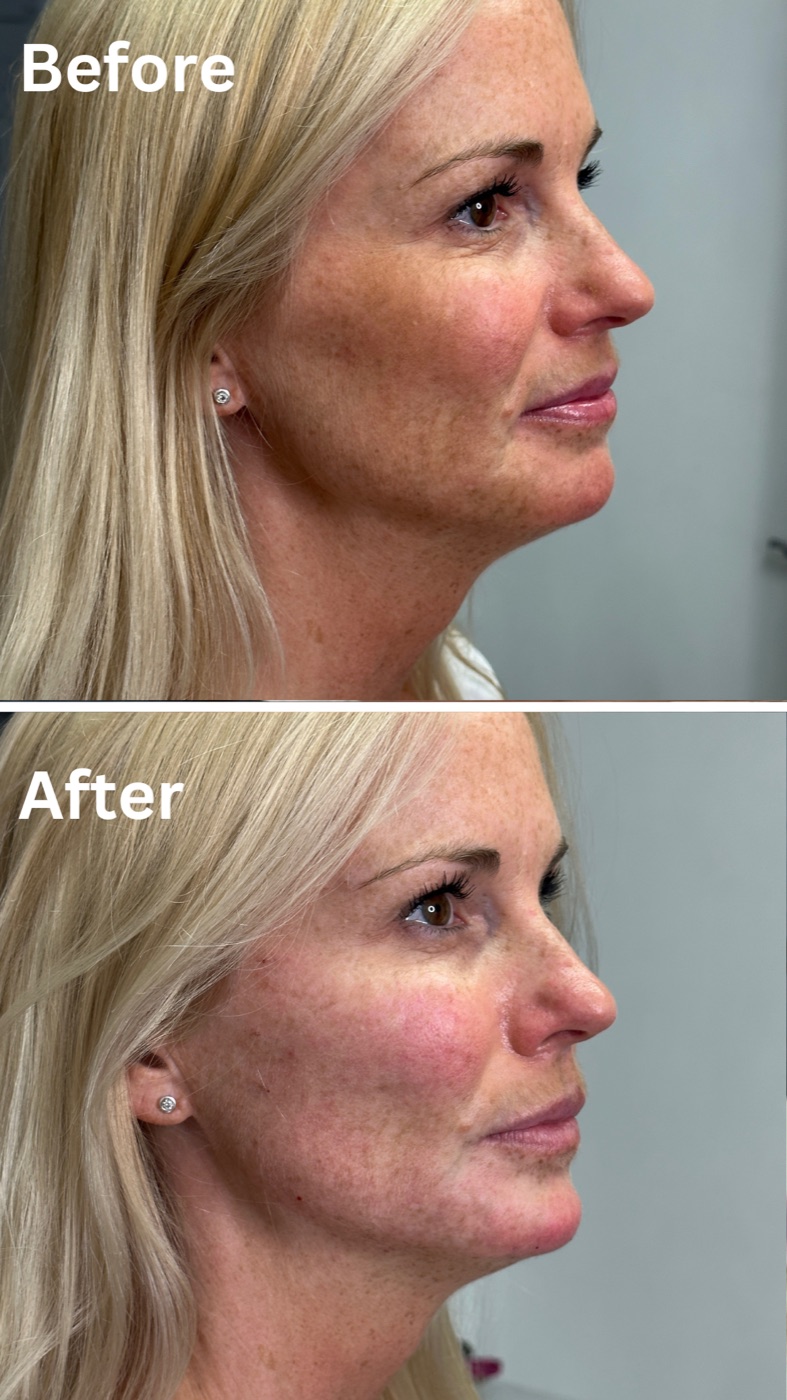
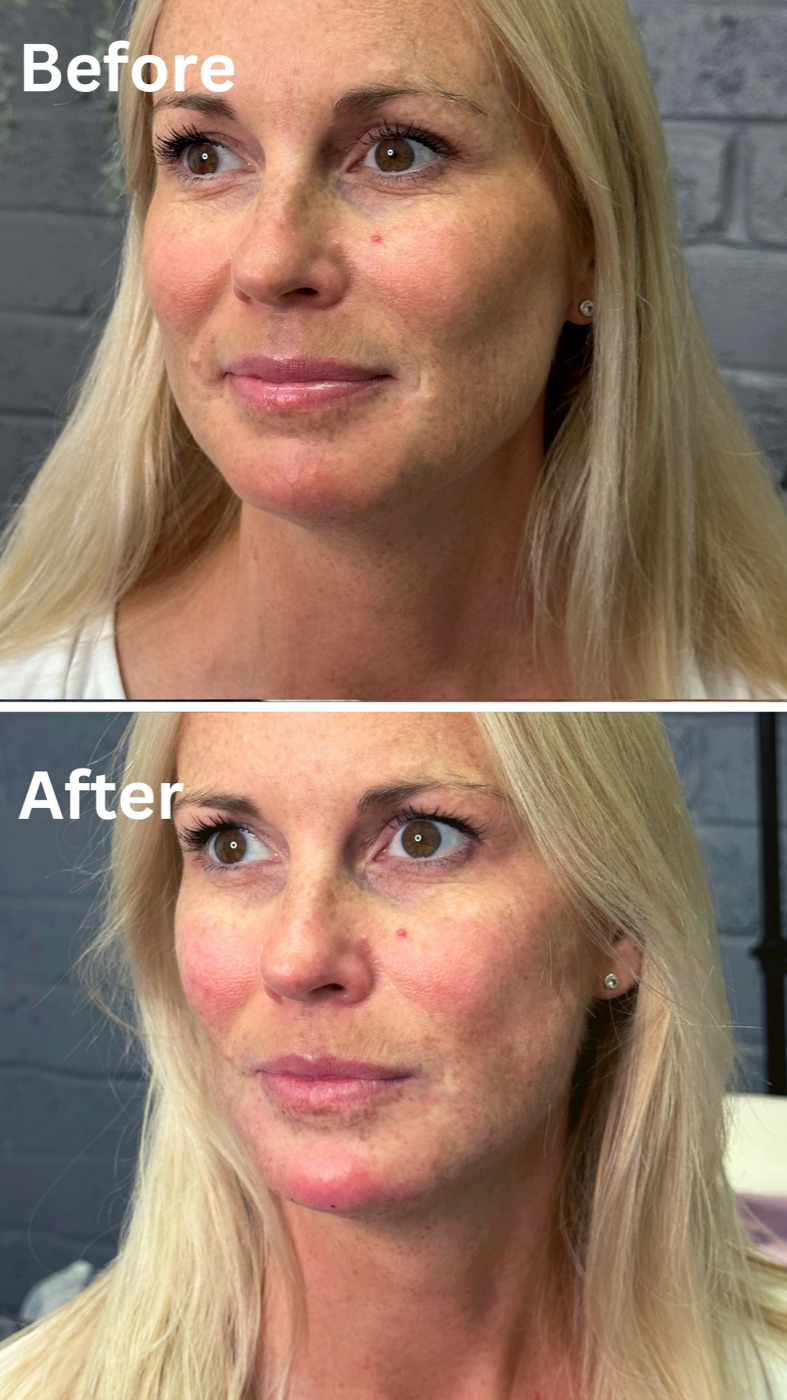
Done well, it restores a soft lift to the whole mid-face — softening smile lines and under-eye hollows indirectly — rather than creating obvious 'cheekbones'.
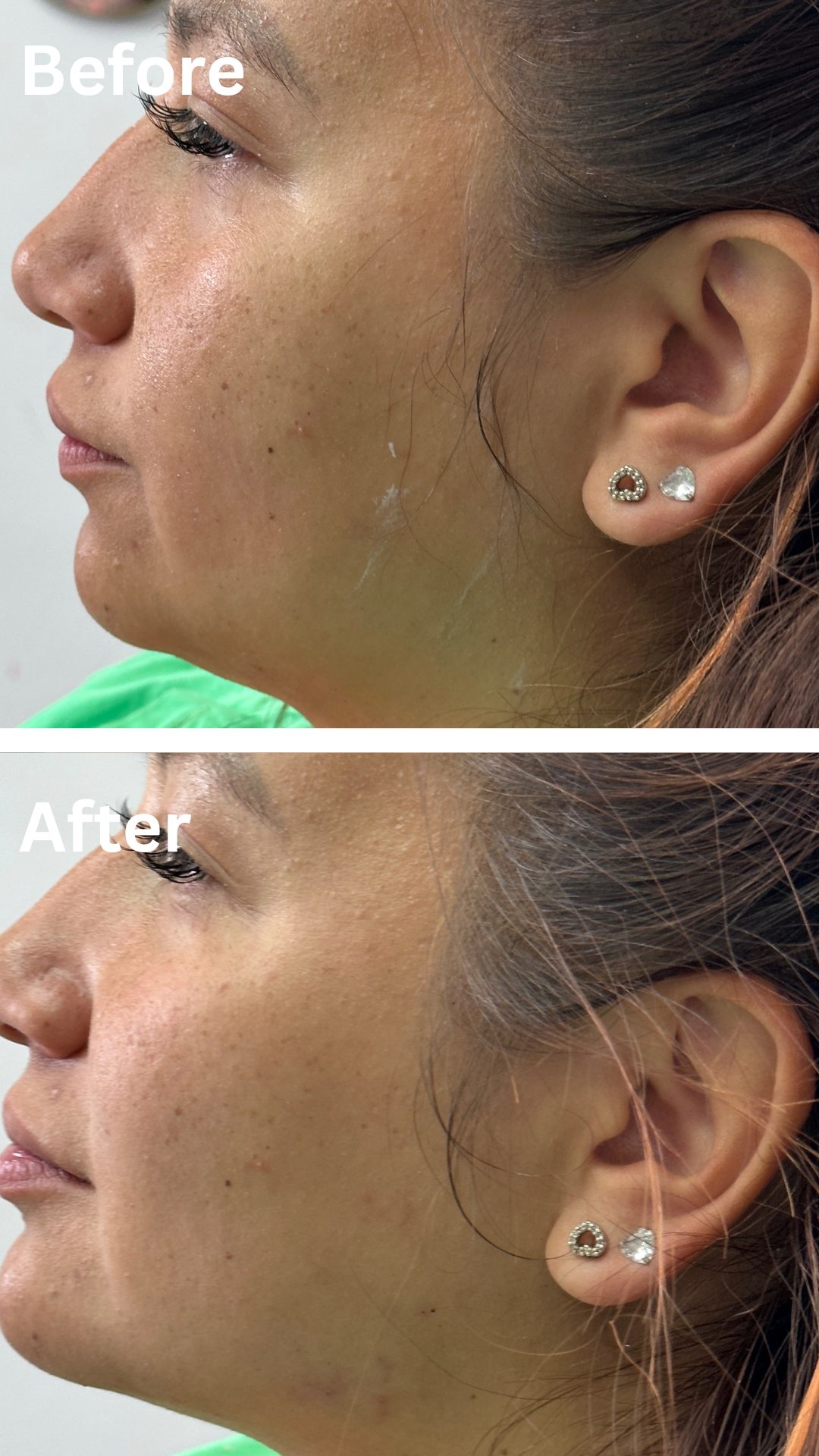
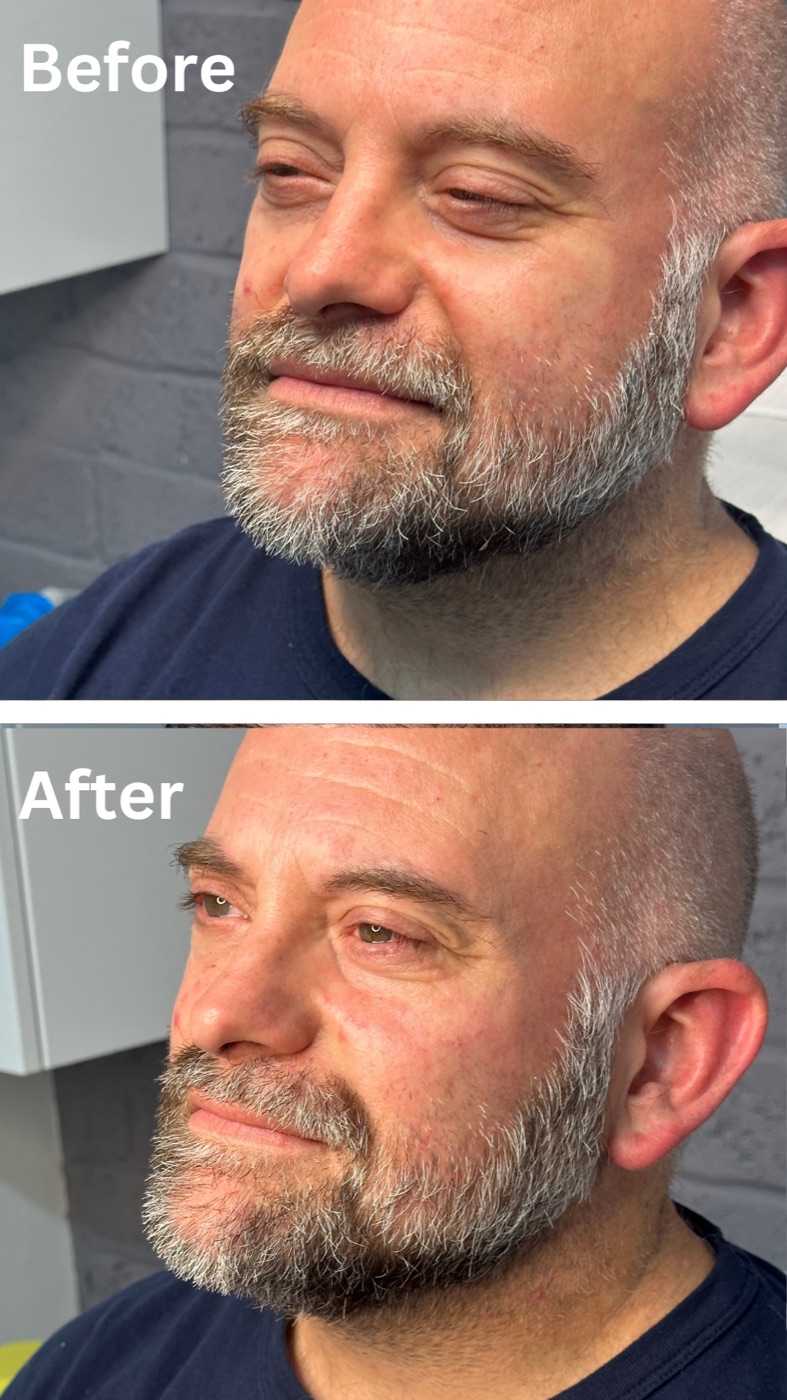
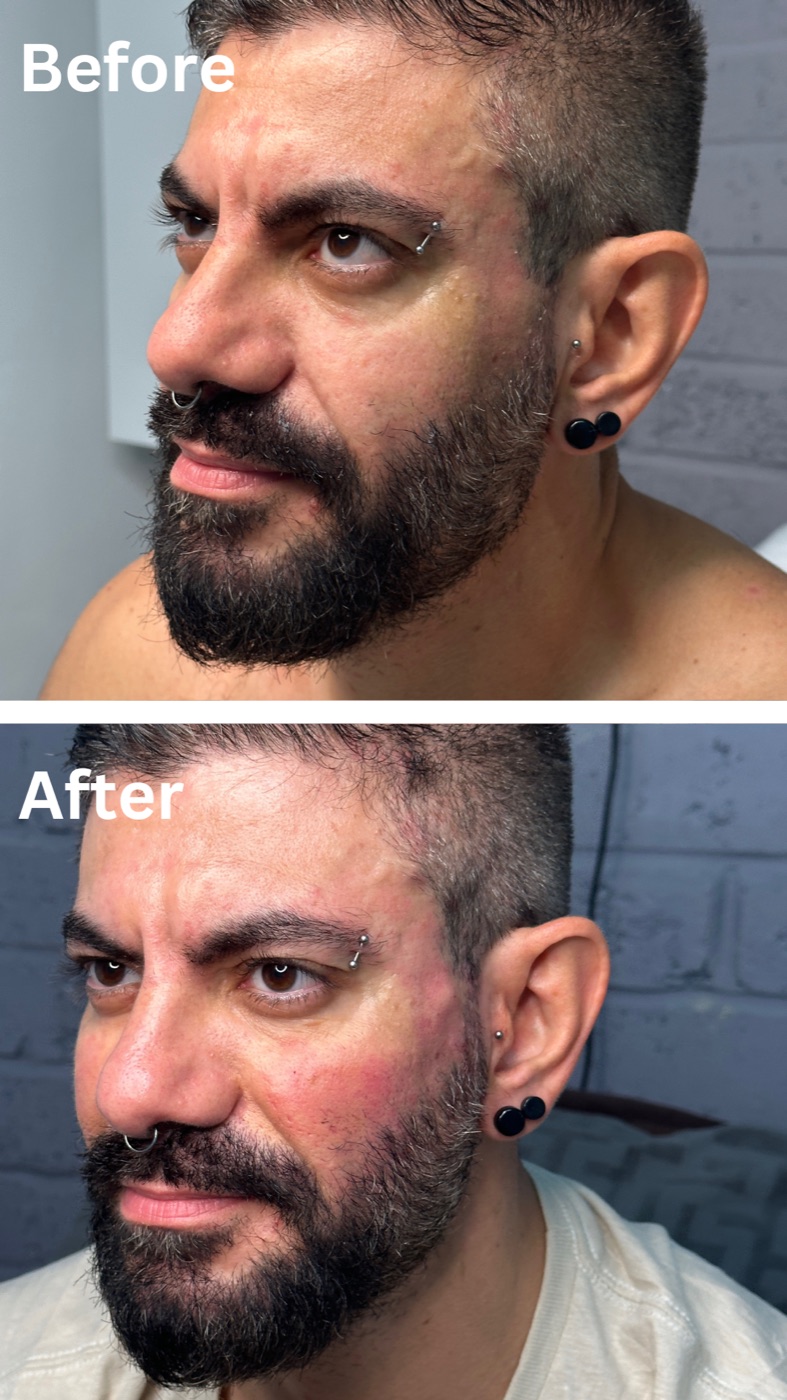
Before & after
Key Benefits
- 01Restores mid-face volume lost with age
- 02Subtle lift that softens smile lines and jowling
- 03Defines the cheekbones without looking sharp or artificial
- 04Balances a flatter or asymmetric mid-face
- 05Often reduces how much filler is needed elsewhere
- 06Results that settle quickly with little downtime
Is this treatment right for me?
Cheek filler suits people who've noticed the mid-face flattening or hollowing, who see heaviness developing around the smile lines and jaw, or who would simply like more definition. It's frequently the first step in a facial-balancing plan.
You may be suitable if…
- Your cheeks look flatter or hollower than they used to
- Smile lines or early jowls are becoming more noticeable
- You'd like gentle definition to the cheekbones
- You're not pregnant or breastfeeding
Your consultation will consider…
- The area in proportion to the rest of your face, not in isolation
- Skin quality, volume loss and how the tissues move
- Your medical history, allergies, medication and any previous filler
- How much product is likely to be needed, and a realistic, staged plan if more than one session is sensible
What to expect
Before treatment
Treatment starts with a face-to-face consultation with John. He'll look at the area in the context of your whole face, talk through what you'd like to change and what would look natural for you, and check your medical history. For a week beforehand it helps to avoid alcohol, aspirin, ibuprofen and supplements such as fish oil or vitamin E where safe to do so, as they increase bruising. Please don't book within two weeks of a dental procedure.
During treatment
The skin is cleansed and a numbing cream is applied for around 10–15 minutes; many modern fillers also contain a local anaesthetic. John then places the hyaluronic acid gel using a fine needle or a blunt-tipped cannula, depending on the area, shaping and checking symmetry as he goes. You'll feel pressure and the occasional sting rather than pain. Most appointments take 30–45 minutes. Cheeks are usually treated with a cannula through one or two entry points per side, which reduces bruising and lets John shape the area in smooth layers.
After treatment
You'll see the change straight away, although the area will be a little swollen and the final shape settles over the next one to two weeks. John will go through aftercare, and you're welcome to book a review at two weeks if anything needs refining.
Watch
Results & longevity
The lift is visible straight away and settles over about two weeks as any swelling subsides. Because the cheeks move less than the lips, filler here tends to last well — typically twelve to eighteen months, sometimes longer with the firmer gels used for structure. Longevity depends on the product, amount and your metabolism. Many clients maintain the result with a smaller top-up every year or so.
Recovery, side effects & aftercare
Cheek filler has very little downtime. Some mild swelling or tenderness is normal for a day or two, and because a cannula is usually used, bruising is uncommon. Most people go back to their day straight afterwards.
Side effects
Swelling, tenderness, redness and bruising are the common, expected effects and settle within days. Small lumps or slight unevenness can be felt in the first couple of weeks as the gel settles and usually resolve; anything persistent can be reviewed. Uncommon risks include infection, an allergic-type reaction, or the filler sitting in an unintended spot. Rarely, filler can affect a blood vessel — John uses techniques that minimise this, checks for warning signs before you leave, and the clinic stocks the enzyme that dissolves hyaluronic acid so it can be treated immediately.
Aftercare
Avoid touching, pressing or massaging the area for 24–48 hours unless John has asked you to. Skip strenuous exercise, saunas, steam rooms, sunbeds and alcohol for 48 hours, and sleep slightly elevated on the first night to limit swelling. A cool (not frozen) compress helps if the area feels tender. Don't have facials, dental work or other treatments on the area for two weeks, and keep make-up off the injection points for the rest of the day.
Please contact the clinic straight away if you notice unusual or increasing pain, skin that looks blotchy, white or dusky, blistering, spreading redness, or any change to your vision. Ordinary swelling and bruising don't need a call, but you're always welcome to check.
- Downtime
- Minimal — usually a day or two
- Redness
- Mild, settles within hours
- Swelling
- Common for 24–72 hours
- Bruising
- Possible, fades within a week
- Normal activities
- Same day; avoid strenuous exercise for 24–48 hours
Frequently Asked Questions
Will it make my face look bigger or puffy?
Not when placed for structure rather than volume. John works on and around the cheekbone to lift, not to add bulk, and stages treatment if more than a small amount is needed.
How much filler is used?
Commonly 1–2 ml across both cheeks for a first treatment, though it depends on how much volume has been lost. The amount is agreed at consultation.
Does cheek filler help smile lines?
Often, yes. Restoring support in the cheek lifts the tissue above the smile lines, so they soften without filler being placed in the fold itself.
Is a needle or cannula used?
Usually a blunt cannula, which glides beneath the skin from one entry point and reduces the chance of bruising.
Does it hurt?
A numbing cream is applied first and most fillers contain a local anaesthetic, so you'll feel pressure and the occasional sting rather than pain. The area may feel tender for a day or two afterwards.
Can it be reversed?
Yes. Hyaluronic acid filler can be dissolved with an enzyme called hyaluronidase if needed, which is one of the reasons we use it. John keeps it in clinic.
What happens at the consultation?
John assesses the area as part of your whole face, listens to what you'd like to change, checks your medical history and explains what's realistic, how much product is likely to be needed and the cost, before anything is booked.
Your Practitioner

John Dixon
Founder & Aesthetician
John founded Trusted Touch Aesthetics in Fulham and specialises in facial balancing, wrinkle reduction and skin rejuvenation. He is CPD-regulated and fully insured, and is known for taking the time to assess your face properly, explaining every option honestly and never over-treating — the aim is always a natural result that still looks like you. Clients regularly mention his calm manner, attention to detail and the aftercare follow-up that checks in on how you're healing.