Skin Assessment treatment
About Moles
What to know about moles, when to see a doctor, and why we don't currently remove them.
- Treatment time
- Information only
- Results
- —
- Longevity
- —
- Downtime
- None
About About Moles
Most moles are harmless, but any mole that is new in adulthood, changing, or looks different from your others should be checked by a doctor. A helpful guide is ABCDE: Asymmetry, irregular Border, uneven Colour, Diameter larger than about 6 mm, and Evolving — any change in size, shape, colour, height, or symptoms such as itching or bleeding.
Mole removal is not currently offered. Safe removal of a mole needs a medical diagnosis first and, often, laboratory analysis of the removed tissue. If you're concerned about a mole, please see your GP, who can refer you to a dermatologist. Cinzia can look at other blemishes and advise you at a skin lesion consultation.
Key Benefits
- 01Clear guidance on when a mole should be checked by a doctor
- 02Explains the ABCDE warning signs
- 03Signposts you to the right medical pathway
- 04A skin lesion consultation for other, benign blemishes
- 05Advice on sun protection and monitoring your skin
Is this treatment right for me?
This page is information only. Mole removal is not available. A skin lesion consultation can help with other blemishes and with deciding whether to see your GP.
You may be suitable if…
- You'd like to understand which moles should be checked
- You want advice on monitoring your skin
- You have other blemishes you'd like assessed
- You're unsure whether to see your GP
Your consultation will consider…
- Whether a mark is likely to be a mole or another blemish
- Any change or warning signs
- Whether medical assessment is needed
- Suitable options for other, benign blemishes
What to expect
Before treatment
If you're worried about a mole, contact your GP. For other blemishes, book a skin lesion consultation.
During treatment
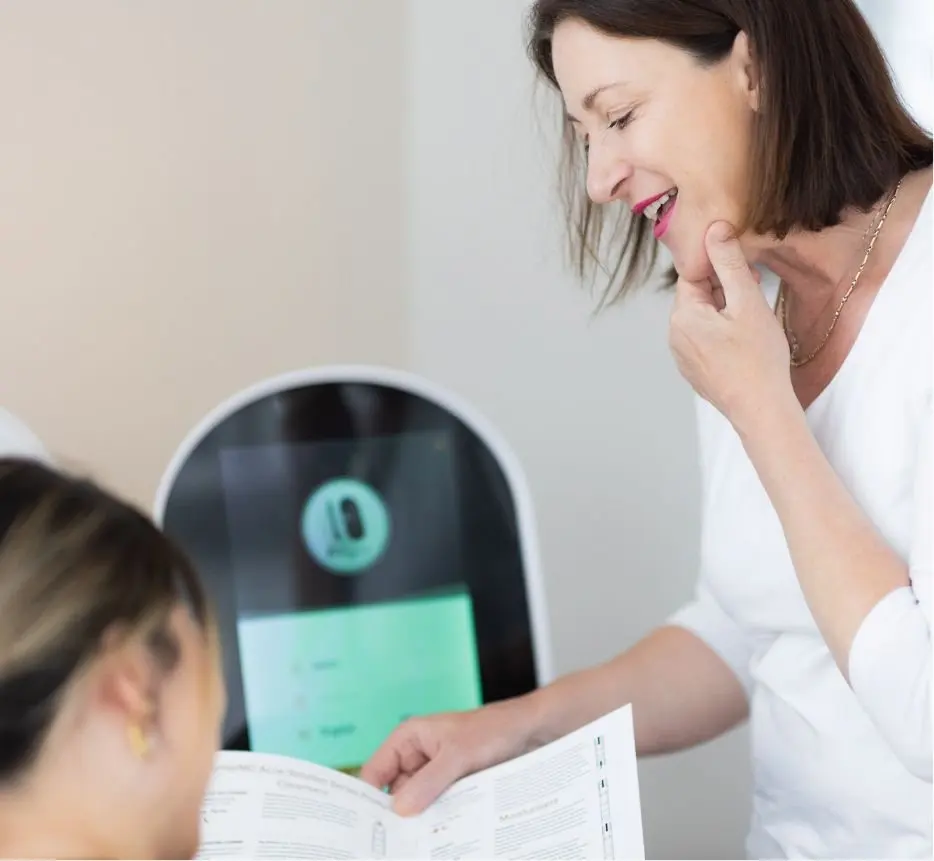
At a consultation Cinzia looks at your skin, asks about any changes and explains the options. Moles are not treated.
After treatment
You'll leave with advice — usually to monitor the mole, or to see your GP if there are any warning signs.
Results & longevity
This is guidance rather than a treatment. Early medical assessment of a changing mole is what matters most.
Recovery, side effects & aftercare
Not applicable — this is information and assessment only.
Side effects
None.
Aftercare
Check your skin every month or two, photograph any moles you're watching, and use SPF 30 or higher daily.
See your GP promptly about any mole that is new, changing, bleeding, itching or looks different from the rest.
- Downtime
- None
- Redness
- None
- Swelling
- None
- Bruising
- None
- Normal activities
- Immediately
Frequently Asked Questions
Do you remove moles?
Not at present. Mole removal needs a medical diagnosis first and often laboratory analysis, so please see your GP if a mole concerns you.
When should I worry about a mole?
Use ABCDE: Asymmetry, irregular Border, uneven Colour, Diameter over about 6 mm, and Evolving (any change). Bleeding or itching without injury is also a reason to see your GP.
Can you tell me whether a mole is safe?
No — only a doctor can diagnose a mole. Cinzia can advise whether you should see one.
What can you help with instead?
Benign blemishes such as thread veins, blood spots and skin tags can often be treated with advanced electrolysis after a consultation.
How can I protect my skin?
Daily SPF 30 or higher, avoiding sunburn and sunbeds, and checking your skin regularly for changes.
Your Practitioner
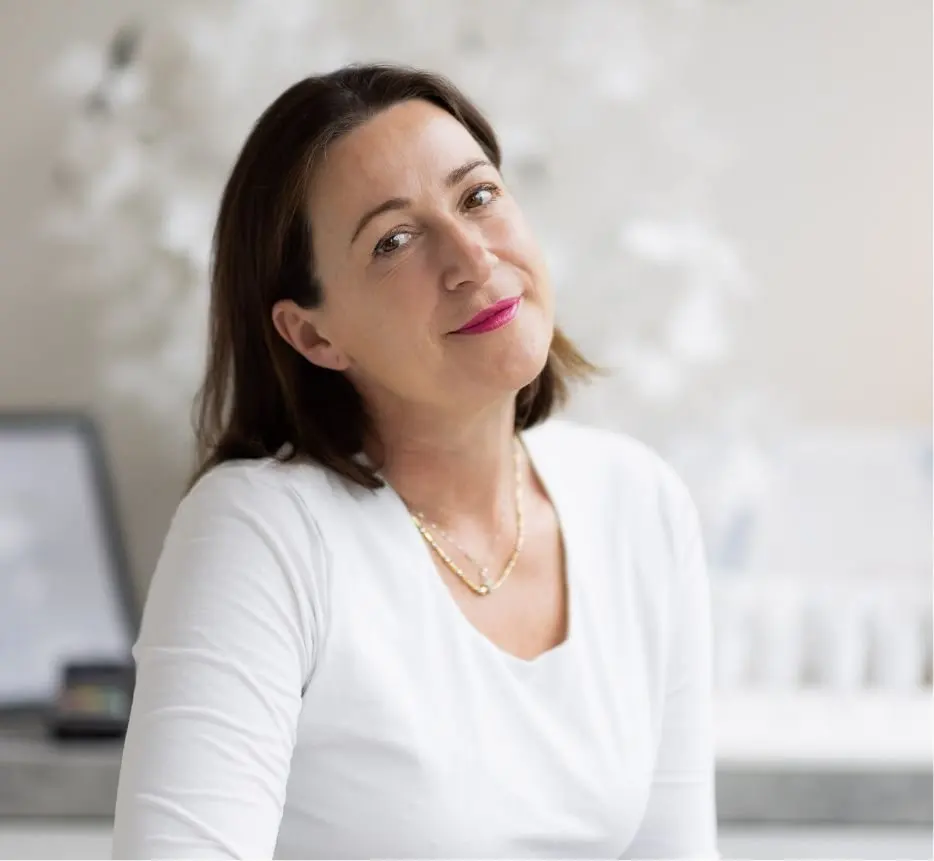
Cinzia Campigotto
Aesthetician & Skin Expert — Electrolysis & Skin Blemishes
Cinzia is a professional aesthetician and skin expert with more than 25 years in the advanced skin and beauty industry. She founded Beauti Skin Clinic in South London in 2017 and specialises in skin consultations and bespoke, results-driven treatment plans. At Trusted Touch Aesthetics she carries out electrolysis hair removal, advanced electrolysis for thread veins, blood spots and skin tags, and skin lesion consultations.